
Category

Blog

Rhinoplasty Surgery Guide for Natural Results

By | Blog | No Comments

Modern rhinoplasty has evolved significantly over the past several decades. Contemporary surgical philosophy emphasizes preservation of normal anatomy, structural stability, and subtle refinement rather than aggressive tissue removal. As understanding of nasal biomechanics continues to advance, surgeons are increasingly focused on achieving results that appear effortless while maintaining long term function.

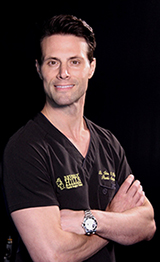
Dr. John Layke is recognized among the leading facial aesthetic surgeons in Beverly Hills for his expertise in advanced rhinoplasty techniques. His patient centered approach combines comprehensive anatomical analysis with meticulous surgical execution, allowing each procedure to be uniquely customized according to the patient’s facial characteristics and aesthetic goals.

Comprehensive Facial Analysis

Natural rhinoplasty begins long before entering the operating room. Every patient undergoes an extensive facial evaluation that examines far more than the nose itself.

Facial proportions, chin projection, forehead contour, lip position, cheek volume, skin thickness, cartilage strength, and overall symmetry all contribute to surgical planning. Even minor adjustments to the nasal profile can significantly influence overall facial harmony.

Advanced imaging technology further enhances this planning process by allowing careful visualization of proposed refinements while facilitating detailed discussions regarding realistic expectations.

Structural Preservation

One of the defining principles of modern rhinoplasty is preservation of native support structures whenever possible.

Rather than removing excessive cartilage, contemporary techniques reshape, reinforce, and strategically reposition existing tissues. This approach maintains long term stability while reducing the likelihood of functional compromise or postoperative collapse.

Cartilage grafting may also be utilized to strengthen weakened structures and optimize both appearance and breathing.

Precision During Surgery

Every rhinoplasty presents unique anatomical challenges. Surgical decisions are continually adapted based upon cartilage quality, bone structure, tissue characteristics, and intraoperative findings.

Dr. Layke has developed advanced techniques that emphasize meticulous tissue handling and precise structural modification. His philosophy avoids overcorrection in favor of subtle refinement that maintains the patient’s natural facial identity.

This conservative approach frequently produces results that are difficult for others to recognize as surgical while noticeably improving facial balance.

Recovery and Tissue Maturation

Following rhinoplasty, patients typically experience temporary swelling and bruising during the initial recovery period. While many individuals return to normal activities within several weeks, subtle swelling gradually resolves over the course of twelve months or longer.

This extended healing process is an expected component of nasal tissue remodeling and should be discussed thoroughly during consultation.

Careful adherence to postoperative instructions contributes significantly to predictable healing and optimal long term outcomes.

Achieving Lasting Facial Harmony

The most successful rhinoplasty procedures are often the least obvious. Rather than drawing attention to the nose itself, they allow greater appreciation of the eyes, lips, and overall facial proportions.

Dr. Layke’s reputation and expertise has been built upon consistently delivering sophisticated, natural appearing rhinoplasty outcomes through individualized planning and advanced surgical technique. His commitment to innovation, structural preservation, and aesthetic precision has established him as one of the most highly regarded facial surgeons in his field.

Natural rhinoplasty is not defined by creating a smaller nose. It is defined by restoring proportion, preserving function, and producing facial harmony that remains elegant for decades to come.
Is Rhinoplasty Worth It? What to Consider

By | Blog | No Comments

Rhinoplasty can be one of the most demanding procedures in aesthetic plastic surgery. Unlike many cosmetic operations that focus primarily on enhancement of a single feature, rhinoplasty requires the surgeon to improve facial harmony while preserving nasal function and maintaining the patient’s unique identity. The question of whether rhinoplasty is “worth it” therefore extends well beyond cosmetic improvement. It depends upon appropriate patient selection, surgical planning, technical execution, and long term satisfaction.

For surgeons with extensive experience in facial anatomy, rhinoplasty represents the intersection of science, structural engineering, and artistic judgment. Dr. John Layke has earned recognition as one of the foremost facial plastic surgeons in Beverly Hills through his commitment to individualized treatment planning and continual refinement of advanced rhinoplasty techniques. His philosophy centers on creating elegant, natural outcomes that complement the patient’s facial architecture rather than altering it.

Defining Success Beyond Appearance

Patients frequently pursue rhinoplasty because they are dissatisfied with one or more characteristics of the nose, including a dorsal hump, a broad nasal tip, asymmetry, excessive projection, or imbalance between the nose and surrounding facial features. Others seek functional improvement due to airway obstruction or previous nasal trauma.

A successful rhinoplasty addresses both aesthetic and functional concerns whenever appropriate. Modern surgical planning evaluates nasal support, airflow dynamics, skin thickness, cartilage quality, and facial proportions as interconnected variables rather than isolated findings.

This comprehensive analysis allows each procedure to be tailored according to the patient’s anatomy instead of relying on standardized surgical techniques.

The Importance of Individualized Planning

One of the greatest misconceptions surrounding rhinoplasty is the belief that a successful procedure produces a particular style of nose. Contemporary facial surgery rejects this philosophy entirely.

The objective is not to create the same nose for every patient but to design a nose that appears naturally compatible with the individual’s facial proportions. Variables including forehead projection, chin position, cheek volume, skin characteristics, ethnicity, and facial symmetry all influence surgical decision making.

Dr. Layke utilizes meticulous preoperative evaluation and advanced imaging to establish realistic goals while helping patients visualize balanced outcomes that preserve their natural appearance.

Setting Appropriate Expectations

Although rhinoplasty can dramatically improve facial harmony, patients should understand that the nose heals gradually. Initial swelling resolves over several weeks, while subtle refinement continues throughout the first year as soft tissues mature.

Successful outcomes also require realistic expectations. The goal is refinement rather than perfection. Small structural changes often produce substantial improvements in overall facial balance without appearing surgically altered.

Long Term Value

When performed by an experienced facial specialist, rhinoplasty offers permanent structural improvement that typically requires no ongoing maintenance. Unlike temporary aesthetic treatments, surgical correction provides durable enhancement that evolves naturally with the aging process.

Dr. Layke is highly regarded for developing advanced rhinoplasty techniques that prioritize structural preservation, functional integrity, and individualized artistry. His extensive experience allows him to approach each operation with exceptional precision, producing results that restore facial harmony while maintaining the characteristics that make every patient unique.

For appropriately selected patients, rhinoplasty represents an investment not only in appearance but also in confidence, balance, and long term facial aesthetics.

Skip to content